THE STOLEN ORANGE

At Bond Street Gallery, Brighton

15 November to 14 December 2025

“Poetry helps us understand what we’ve forgotten to remember. It reminds us of things that are important to us when the world overtakes us emotionally.” (Brian Patten)

Georgie Beach – Talisman 2025 and Brian Patten – The stolen orange

What might bring artists together for an exhibition? Well, a suitable space, a curator or three (who can contact artists already known to them) and of course, our Instagram community ready and waiting for a call up. Sarah Shaw, Hal Maughan and Anthony de Brissac present The Stolen Orange, inspired by the well-known Brian Patten poem, at a central Brighton studio space that has been turned into a gallery for the duration of this show. It’s a great initiative, particularly when suitable spaces are few and far between considering the significantly large community of artists and craftspeople who live here. Galleries are generally in short supply – although there is positive traction in the development of high quality exhibition spaces in the city with The Adelaide Salon, Kellie Miller Arts and Indelible Fine Art (amongst others) developing apace.
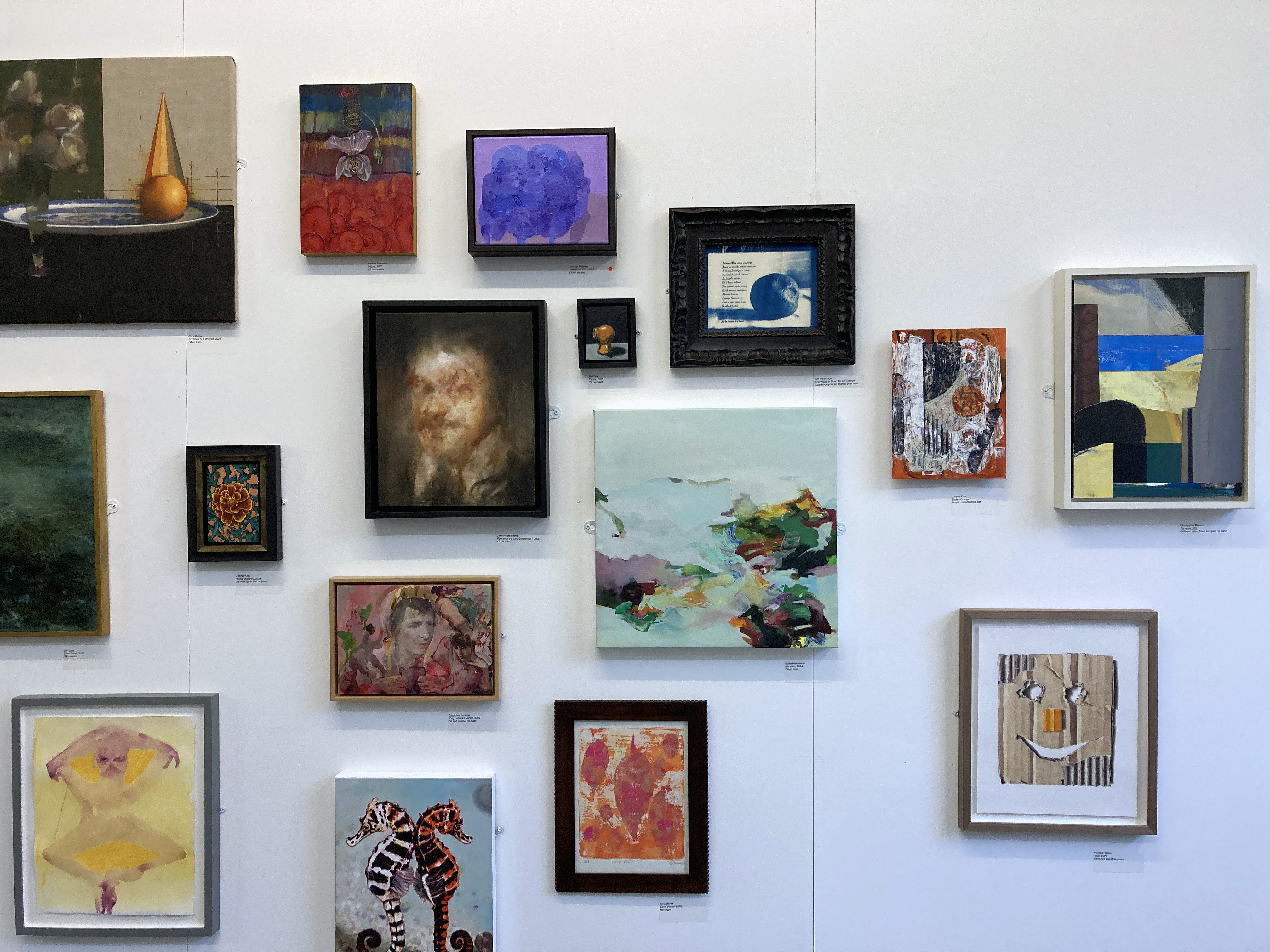
With the opening of The Stolen Orange clashing with the Anna Phoebe concert at the Hope And Ruin venue last week I was unable to attend the opening (Brighton is a great place for live gigs, by the way). In retrospect this wasn’t so bad as the event was fully booked and looking at the works on display – eighty or so – must have been challenging. So on a very sunny Monday lunchtime I took a break away from my Phoenix Art Space studio to recharge the visual batteries. This was a trip well worth making, not only for seeing several works by friends from the region, but for being introduced to some new names from near and afar. The installation was also very impressive. Poorly arranged displays can highlight the proverbial sore thumb(s) – but in this exhibition nothing looked out of place or clashed with unsuitable wall-partners. Figurative and more abstract works hung well together, and simple or more complicated and elaborate paintings (especially) commanded their own respective spaces. This was partly due to sizes not being too far apart with dimensions within 20 to 50cm in height or width, plus a handful a little larger or smaller. I also counted over a dozen 3-D pieces and a couple of videos – and the catalogue gave us two poems to take away, as well as the original poem from Brian Patten.
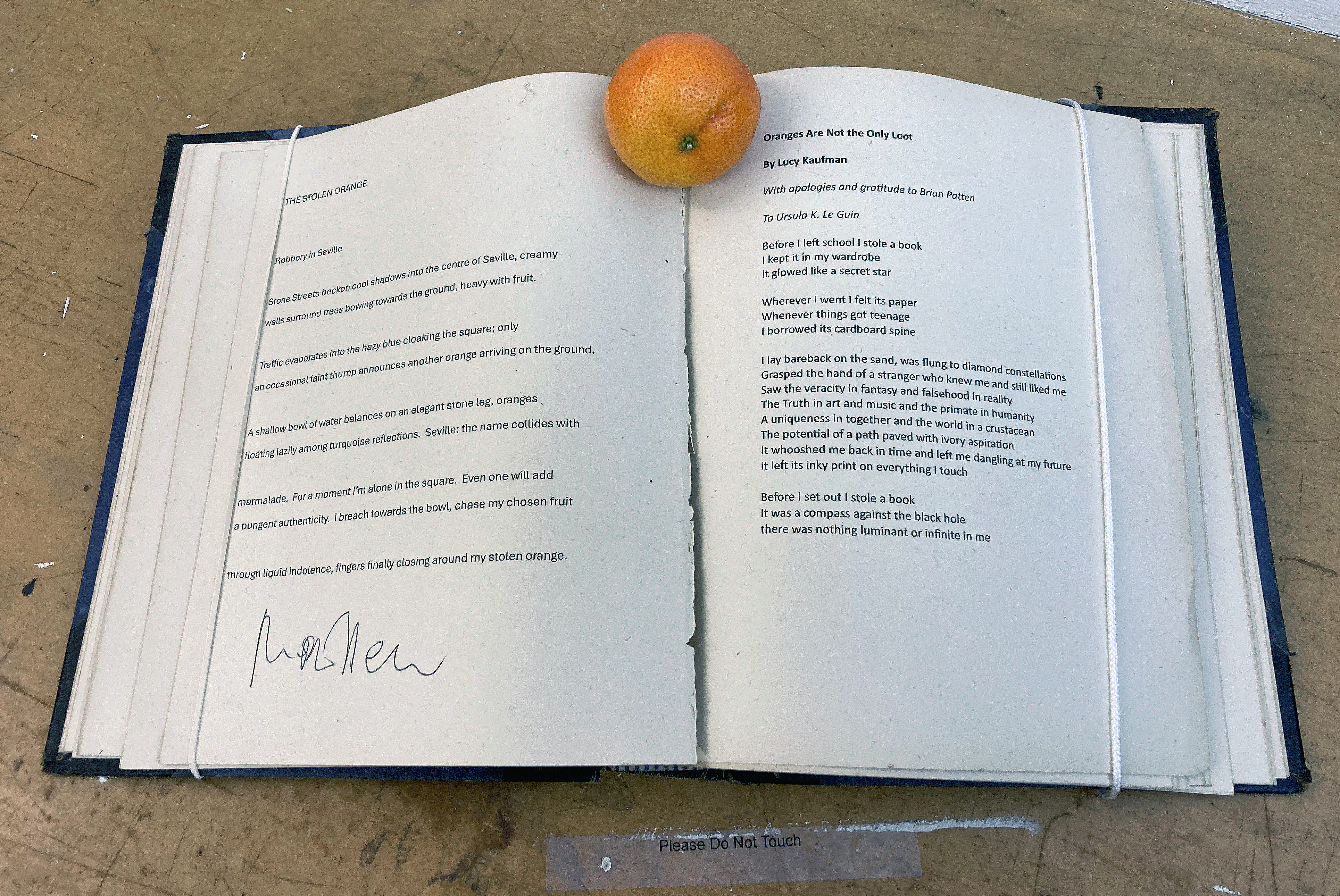
Mary Allen and Lucy Kaufman poems

Of course, the show was also held together in an organic aura rather than straightjacketed by any polemic. As stated in the catalogue the much-needed themes of joy and hope were intended as a positive theme to encourage a communion of spirit:

“Over the past few months, we have heard people talk of their stolen oranges as metaphors for something hopeful and totemic; something to hold onto.” (Hal Maughan)

The notion of joy as a positive and obligatory strength for the individual (artist or not) was also insisted upon for social cohesion:

“The exhibition reflects on how creativity can sustain optimism, humour, and connection in uncertain times, standing firm in insisting that joy isn’t optional, it’s necessary. Joy as an act of resistance. Joy as friction; a way to keep going, both with each other and for each other.” (The curators)

Carrie Stanley – I see the crescent 2025

Whilst walking back to the studio I pondered on the notion that a purist view of the visual arts (I plead guilty at times) to sustain a completely aesthetic independence for one’s work – unadulterated by ephemeral themes of the day – is nonsense. The content of this exhibition celebrates our many diversities and disparate interests. It’s what we share in common. It also keeps the memory of the amazing poem by Brian Patten alive. There is so much that is bright and special in the world.

Geoff Hands

Julia Williams – Türkis ist mein orange 2025 Diary

Note:

I have purposely not focussed on or highlighted any individuals from the exhibition, as there are just too many. I cannot feature all of the work here either, so please treat my choice of installation and specific artwork photographs as random. Although a special mention might be permitted for Phyl Callaghan’s fantastic cotton, silk and terylene oranges that are readymade for the pocket at just a fiver each – I bought a few for Father Christmas to distribute next month. I must add that there is a very well produced catalogue available from the gallery that features all of the participants’ work – and visit the website too.
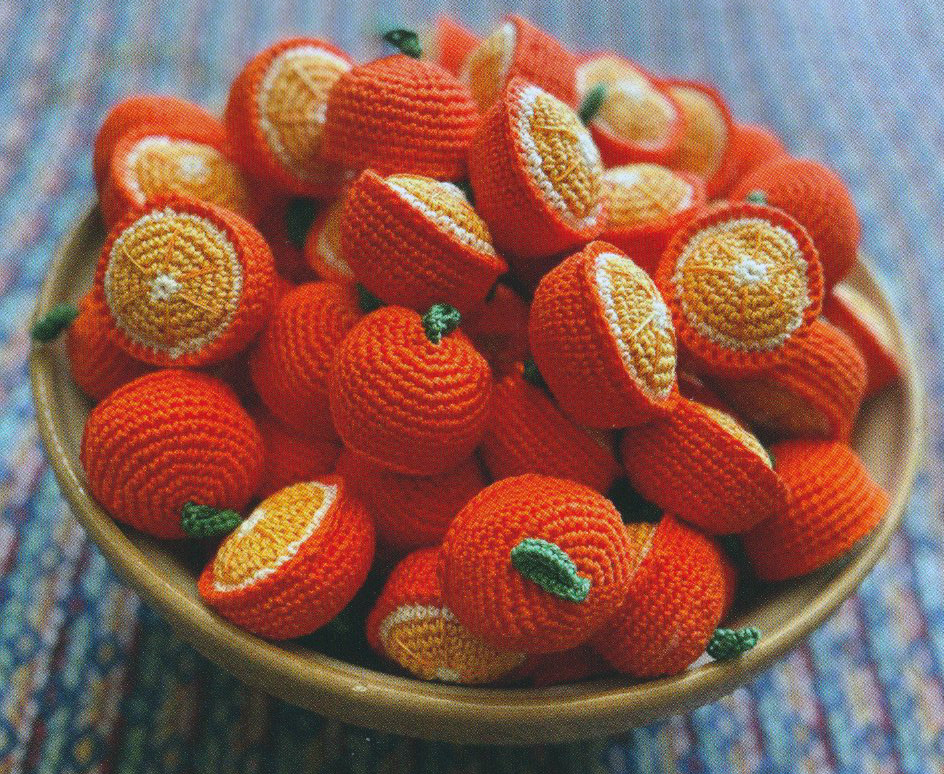
Phyl Callahan – The Gifted Orange 2025

Links:

Bond Street Gallery

Brian Patten

Katya Adler and her daughter reading The stolen orange (BBC Radio 4)
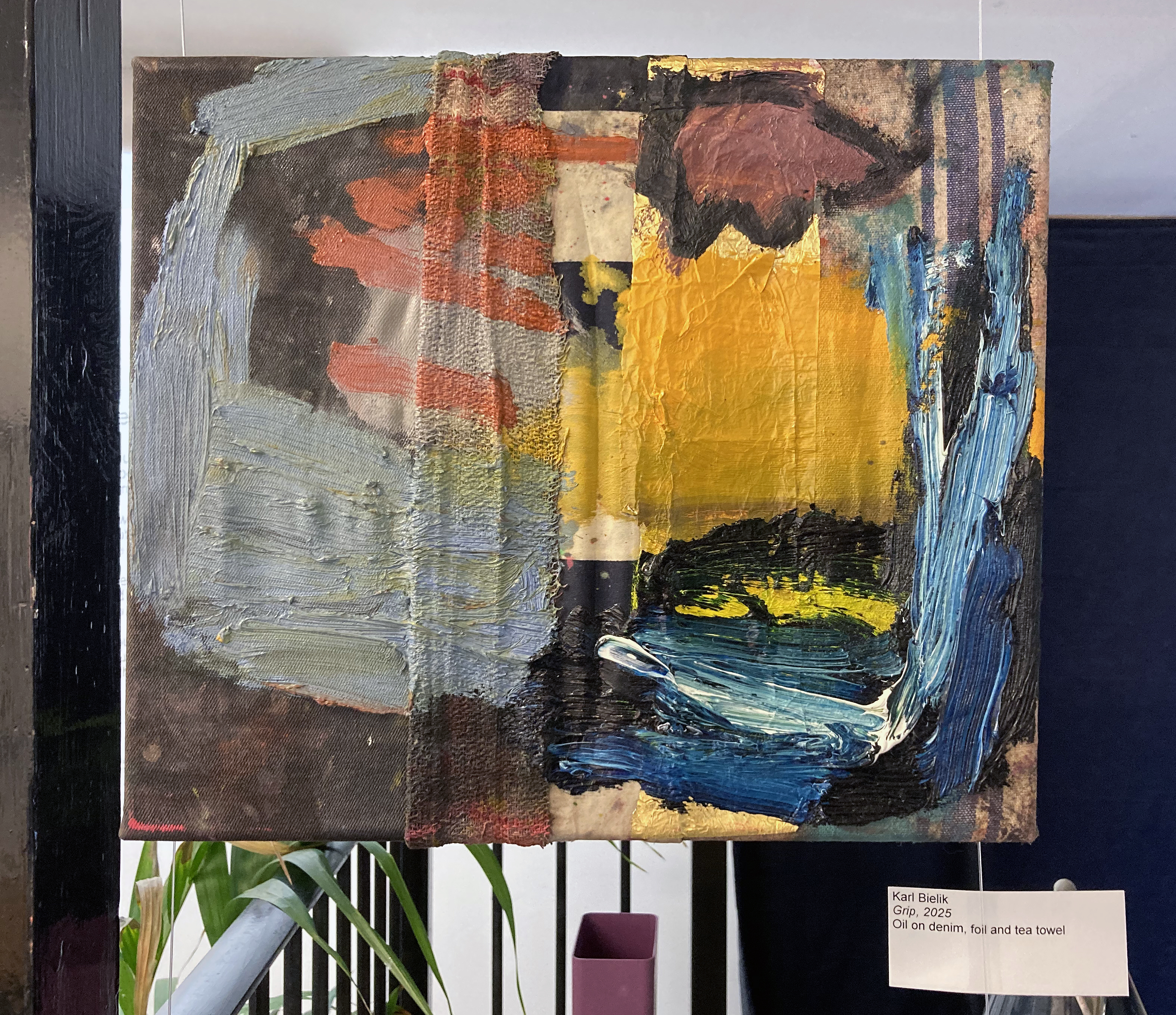
Karl Bielik – Grip 2025

BREAKING LINES

Futurism and the Origins of Experimental Poetry / Dom Sylvester Houédard and Concrete Poetry in Post-war Britain

Estorick Collection of Modern Italian Art
15 January to 11 May 2025

These two exhibitions, historically related but decades apart, make for a fascinating visual experience at the Estorick Collection. Housed in the two rooms reserved for temporary exhibitions, usefully on the same floor, there is a palpable excitement about the graphical form of text and the (early) expanded field form of print that links poetry to the visual arts. The display as a whole has the feel of a contemporary installation work with texts enlarged to cover significant expanses of wall. Framed text works dominate, as one might expect, but video screens enable the page turning of books that are otherwise displayed in glass cabinets.

On the walls in both spaces there is much to read and/or to observe purely visually. Usefully, the expository texts are reproduced in the newspaper-type catalogue that further expands the exhibition to wherever the visitor might take it. In fact to miss the catalogue, designed by Studio Bergini, the visitor would be missing part of the exhibition.

Along with the other visitors at the Press preview I turned right into the Futurism and the Origins of Experimental Poetry display. Carlo Carrà’s ‘Atmospheric Swirls – A Bursting Shell’ (1914) from the Estorick Collection, stands out immediately. TUMB, ZANG, TUUUM, ZANG and EEE, onomatopoeia – sound words – are integrated with painterly applied ink, charcoal and collage on paper. In these present times (well, maybe all times) such as aesthetic celebration of the sounds of missiles seems somewhat absurd and in poor taste. But the potential elephant in the room, the Italian Futurist links with Fascism (in particular the poet Filippo Tommaso Marinetti who founded Futurism), was not ignored as the wall texts and the catalogue acknowledge this disturbing context.

Carlo Carra – ‘Atmospheric Swirls – A Burning Shell’, 1914 Courtesy Estorick Collection

Christopher Adams and other members of the Estorick’s curatorial team have, in effect, stood back to allow the visitor to make what they will of this discomforting aspect in the exhibition. But they have not downplayed the sheer visual exuberance of how poets and visual artists freed the conventions of text display in publications such as ‘L’Italia Futurista’ (published from 1916 to 1918) through to Carlo Belloli’s ‘Texts-Poems for Walls’ (1944) that predicted the very public space of walls (and now the digital screen) as the common space for readers/viewers to be impacted and affected by the word. The show also includes rare original editions of works including Fortunato Depero’s famous book, ‘Depero futurista’ (1927) which is now more commonly known as the ‘Bolted Book’ with two aluminium bolts binding the pages together.

Transferring to the second display, Dom Sylvester Houédard and Concrete Poetry in Post-war Britain celebrates the work of Dom Sylvester Houédard (aka dsh), a Benedictine monk who is a contender for godfather of Concrete Poetry up to the present day. As the visitor would expect, dsh’s work is well represented here with works loaned from the Lisson Gallery. There is also material from Edition Hansjorg Mayer via the Chelsea College of the Arts Library (UAL) including Carlo Belloli’s ‘sole solo’ (futura14, 1966).

As with any exhibition holding works in cabinets you just want to get in there, although all six concrete poems from the Brighton Festival of 1967 are laid out for all to see. There are also works by several other British exponents of concrete poetry, including Ian Hamilton Finlay, John Furnival and Bob Cobbing. A signed copy of Cobbing’s ‘chamber music’ (futura19, 1967) adds a human dimension to the strongly graphical ingredients of the show. I mention this as a bombardment of the graphical might get wearisome if your main interest is in painting – the Estorick is full of paintings, of course.

I was also wondering whom the audience might include over the next few months. In addition to the loyal Estorick crowd I would hope that poets, graphic designers and art and design students from all disciplines, new cohorts perhaps, will see the show. For the fine artist with an involvement with text and collage the exhibition will not disappoint either. If anyone is unsure, just go along and support this organisation. The bookshop is full of goodies too – including that highly collectable catalogue.

Oh, and get that old typewriter out of the attic.

Edition Hansjorg Mayer display (1966)

LINKS:

Estorick Collection

Catalogue design by Studio Bergini

Lisson Gallery

Edition Hansjorg Meyer

Jonathan Jones in the Guardian

Vintage typewriters at George Blackman